

In today’s fast-paced world, maintaining optimal health is more important than ever. Everyone is constantly on the go, prioritizing work, family, and leisure activities, often placing personal health on the back burner. Understanding and implementing a proper health maintenance regimen can significantly contribute to a long and fulfilling life. This article serves as a comprehensive guide, outlining essential health checks and lifestyle adjustments to keep you in peak condition. From annual exams to maintaining oral health and addressing mental health, each section delves into specific areas of well-being. By paying attention to each facet, you enhance not only your longevity but also your quality of life.
Health is multi-dimensional, encompassing physical, mental, and social elements. Each part requires attention and care to ensure the whole system functions harmoniously. Let’s delve into these essential health checkpoints to ensure you are covering all bases. Armed with this knowledge, you can take proactive steps to prevent issues before they arise or catch them in their early stages when they are most treatable. Take charge of your health today, ensuring you’re not only surviving but thriving, with actionable tips and trustworthy advice.
Start Your Checklist With an Annual Physical

Begin your health maintenance routine with an annual visit to your primary care doctor. This visit is a time to update vaccinations, assess risk factors, and prevent potential health issues before they arise. By establishing a good rapport with your primary care doctor, you create a personalized health plan that aligns with your unique health needs and concerns.
Regular screenings and tests during these visits can help manage chronic conditions and detect new health issues. Your primary care doctor will review your medical history, perform necessary physical exams, and address lifestyle factors that may impact your health. Before your appointment, write down any symptoms, medications, and supplements you take, along with questions about blood pressure, cholesterol, blood sugar, and age-appropriate cancer screenings.
Investing time in an annual physical doesn’t only focus on current health; it also paves the way for a healthier future. It’s an opportunity to discuss preventive measures, like managing your diet, exercise, and stress levels. With a holistic approach, your primary care doctor assists in keeping you healthy and active, increasing your quality of life.
Signs It’s Time to Schedule a Hearing Evaluation
When was the last time you assessed your hearing health? Hearing aid services play a crucial role in ensuring that hearing loss doesn’t impede your daily life. Turning the volume up on the TV or radio can be an early sign of hearing difficulties, as can asking people to repeat themselves or struggling to follow conversations in noisy restaurants. Timely intervention and regular check-ups can preserve your hearing for longer.
Hearing loss can have emotional and social impacts, leading to feelings of isolation and frustration. By visiting specialists for hearing aid services, those experiences can be managed or even avoided. The right hearing aids can significantly improve communication, boost confidence, and enhance your quality of life.
Don’t wait until the problem becomes severe. Adults over 50 should consider a baseline hearing test, then repeat it every few years or sooner if changes appear. Most importantly, hearing aid services provide tailored solutions, ensuring that your hearing needs are met with precision and care.
Twice-Yearly Cleanings and Gum Warning Signs to Watch For
Oral health is often underestimated but is crucial to overall well-being. Regular visits to the dentist not only keep your teeth clean but also catch any signs of dental problems early. Two cleanings a year can significantly reduce the risk of gum diseases and cavities.
Gum health is a reliable indicator of your dental state, and attending to warning signs like bleeding, swelling, persistent bad breath, or receding gums early is crucial. Dentist appointments also provide valuable time to discuss oral hygiene practices and leverage professional advice.
Consistent dental check-ups lead to improved confidence and well-being, supported by a healthy mouth. Between visits, brush twice a day for two minutes, floss daily, and replace your toothbrush every three to four months. Engage with your dentist about the best oral care practices and products to use. Being proactive about your dental health will form a robust foundation for your overall health journey.
How to Vet a Licensed Aesthetic Provider Before Booking

With the ever-growing popularity of aesthetic treatments, it’s imperative to ensure the med spa you choose meets high safety and quality standards. Before booking any service, research the provider’s qualifications, licensure, and experience. Ask whether a physician or nurse practitioner oversees treatments and whether they are on-site. A credible med spa should have testimonials and reviews that instill confidence in their services.
A qualified med spa practitioner will guide you through the treatment process and offer honest opinions on what to expect. Vetting the provider ensures you receive professional care, as safety should always be a priority when considering cosmetic enhancements, from fillers to other advanced treatments. Be cautious of any provider who pressures you to book same-day or skips a thorough consultation.
Remember, aesthetic treatments are not just about enhancing physical appearance but also uplifting your confidence and self-image. Choose a med spa that prioritizes patient education and satisfaction, thereby ensuring a positive experience with natural-looking results.
Recovering From Injury: How a Guided Plan Prevents Setbacks
Physical rehab can be a pivotal phase in recovering from an injury and preventing future setbacks. A structured rehabilitation plan tailored by professionals ensures that you regain strength and mobility effectively. Engage with physical therapists who can provide personalized, science-based regimens to support your recovery.
Through methods tailored to each individual, physical rehab focuses on gradual improvement, potentially speeding up the healing process and minimizing complications. It caters to the specific nature of your injury, whether surgical or non-surgical. Completing your prescribed home exercises between sessions is one of the biggest factors in how quickly you recover.
Don’t underestimate the power of linking physical rehab with other health measures. Collaborative health care, involving physical therapists, primary care doctors, and specialists, supports comprehensive healing and mitigation of future injuries. Keep a simple log of pain levels and progress to share at each appointment. Trusting the expertise of professionals can lead to a safer, more resilient return to daily life.
Clear Aligners vs. Braces: 5 Questions to Ask First
When considering orthodontic treatment, choosing between traditional braces and clear aligners like Invisalign is crucial. Start by evaluating factors such as aesthetic preferences, the complexity of your dental issues, and treatment time. Clear aligners offer discreetness and flexibility, but may not suit every case.
Consult your dentist to understand the pros and cons of each method and to determine which aligns best with your specific needs. Five questions worth asking: Is my case a good fit for aligners? How long will treatment take? How many hours a day must I wear them? What happens if I need refinements? What retainer will I need afterward? Both options require diligent care; however, clear aligners allow easier oral hygiene maintenance.
Ensure you explore the expertise and experience of providers before commencing treatment. Effective communication with your dentist can aid in setting clear expectations and understanding all aspects of the treatment. The right choice, aligned with professional guidance, not only enhances dental aesthetics but overall oral health too.
Warning Signs Your Leg Symptoms Need a Closer Look
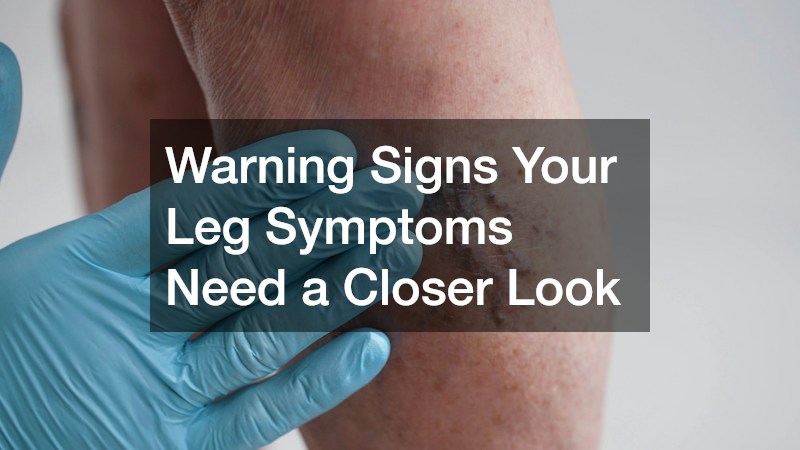
Leg swelling and visible veins can often be more than just cosmetic concerns; they may signal underlying vascular conditions. Visiting vascular specialists for assessment is vital in understanding the causes and exploring treatment options. Early intervention by specialists can prevent further complications and improve your overall vascular health.
Book an evaluation if you notice aching or heavy legs, swelling that worsens throughout the day, skin discoloration near the ankles, or sores that are slow to heal. Treatment by reputable vascular specialists can include non-invasive techniques, compression therapy, lifestyle changes, and, if necessary, surgery. Addressing these issues not only improves circulation but can also relieve discomfort and enhance daily activities.
Don’t ignore the signs; prioritize timely evaluations of symptoms. Sudden swelling in one leg with pain or warmth needs urgent medical attention, as it may indicate a blood clot. Including vascular evaluations in routine health checks can provide reassurance and contribute to sustaining an active, healthy lifestyle.
How to Find a Qualified Injector for Natural-Looking Results
Opting for filler treatments requires careful consideration of injector qualifications for achieving natural-looking results. Before booking, investigate the professional background, certifications, and training of the provider. Choose someone who prioritizes your safety and uses FDA-approved, high-quality products.
A qualified provider will conduct comprehensive consultations, discussing your aesthetic goals and realistically evaluating outcomes. They should explain potential risks, such as swelling and bruising, and how complications are handled. Ask whether they keep a dissolving agent on hand for hyaluronic acid filler. Tailored strategies align results with your facial contours, ensuring satisfaction while maintaining a natural appearance.
Personal recommendations, before-and-after portfolios, and online reviews provide additional insights into their expertise and patient satisfaction. Trusting a seasoned professional mitigates risks and enhances consistent, pleasing outcomes. Plan follow-up visits to discuss maintenance and any future adjustments.
Signs It’s Time to Talk to a Therapist or Counselor
Mental health is as critical as physical health, and recognizing when to seek therapy is crucial for well-being. If feelings of anxiety, stress, or depression interfere with daily living, it might be time to seek professional help. Therapy offers a safe, non-judgmental space to explore thoughts and feelings.
Engaging with mental health professionals can aid in coping with life’s challenges, enhancing emotional resilience. They provide tools and techniques to manage stressors, improve relationships, and bolster self-esteem. When searching for a therapist, check their license, ask about their approach, and don’t be afraid to try a few before finding the right fit.
Don’t hesitate to reach out. Signs that suggest the need for intervention include persistent sadness, disrupted sleep patterns, withdrawing from friends, or difficulty concentrating. Early discussions with therapists can reveal underlying issues and initiate appropriate treatment strategies for recovery and mental wellness. If you are ever in crisis, call or text 988 to reach the Suicide and Crisis Lifeline.
When to Update Your Glasses and How to Pick the Right Frames

Regular eye exams and updated prescriptions are essential for maintaining optimal vision. Most adults should have their eyes examined every one to two years. If you find yourself squinting or experiencing headaches, it may be time for an updated prescription. Once you have it, optician services help turn it into eyewear that improves comfort and performance in daily tasks.
The right frames not only correct vision but also complement your style and personality. Work with optician services to find frames that suit your face shape and sit comfortably on your nose and ears. Ask about lens options such as anti-glare coatings, blue light filtering for screen work, or progressive lenses if you struggle with both near and far vision. Changes in vision demand regular check-ups, so maintaining relationships with eye care professionals is vital for clear, comfortable sight.
Updating your glasses is more than visual correction; it’s an investment in functionality and aesthetics. Whether for fashion or vision correction, choose frames that meet your needs and lifestyle seamlessly.
Remember, priorities shift, but at the core remains the collective aim towards prolonging health and well-being for an enriched life. By adhering to these guideposts, confronting or preventing issues becomes more manageable, fostering a life filled with vitality and fulfillment. A simple way to start is to add each check-up to your calendar now, so nothing slips through the cracks.
Health is a personal responsibility, but it’s also a community effort supported by an array of specialists dedicated to keeping you in your best shape. Invest in yourself, reflect regularly on your health journey, and always reach out for the support and guidance needed to sustain improvement. Start by choosing one specialist from this checklist, booking that appointment this week, and steadily building your routine from there. By taking informed actions today, you’re crafting a healthier tomorrow.