
A healthy home is about much more than keeping surfaces clean and putting away clutter. The environment where your family spends time each day can influence comfort, safety, routines, and overall quality of life. From the air you breathe to the condition of your plumbing, roof, yard, and living spaces, seemingly small details can make a meaningful difference.
Creating a healthier living environment does not require transforming your entire home at once. Instead, families can focus on practical improvements that address cleanliness, maintenance, safety, organization, and everyday habits. Preventive care can also help identify problems before they become larger and more disruptive.
In this article, we will explore practical ways to create a home environment that supports your family’s comfort, safety, and well-being.

Start With Cleaner Indoor Spaces
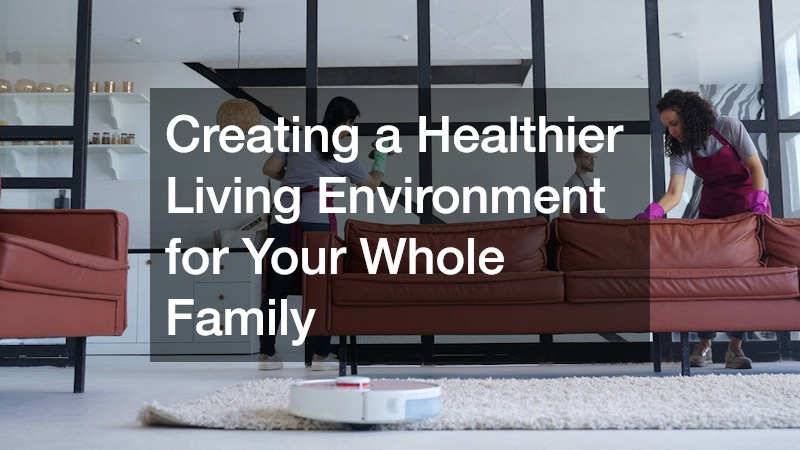
One of the simplest ways to create a healthier home is to establish consistent cleaning routines. Dust, dirt, pet hair, and other debris can accumulate quickly, particularly in high-traffic areas. Regular vacuuming, dusting, and cleaning of frequently touched surfaces can help keep the home more comfortable.
Pay attention to areas that are easy to overlook. Ceiling fans, vents, baseboards, window coverings, underneath furniture, and spaces behind appliances can all collect dust. Washing bedding regularly and cleaning mattresses according to manufacturer recommendations can also contribute to a fresher sleeping environment.
Decluttering can help as well. Excess belongings can make it harder to clean thoroughly and may create unnecessary obstacles throughout the home. Rather than trying to organize the entire house in one weekend, tackle one room or category at a time.
Families can make cleaning more manageable by dividing responsibilities. Age-appropriate chores can teach children that maintaining a comfortable home is a shared responsibility rather than something that falls entirely on one person.
Pay Attention to Indoor Air Quality
The air inside your home deserves as much attention as the surfaces around you. Ventilation, humidity, filtration, and potential pollutants can all affect the indoor environment.
Use exhaust fans when cooking and bathing to help move moisture and odors out of the home. Opening windows when outdoor conditions are appropriate can also provide additional ventilation.
Heating and cooling systems should receive regular maintenance so they can operate properly. Replacing filters according to the manufacturer’s recommendations is another straightforward task that can support cleaner indoor air.
Moisture deserves particular attention because excessive humidity can contribute to conditions that encourage mold growth. Look for condensation, damp areas, water stains, or musty odors and investigate the source rather than simply covering up the symptoms.
Some homes may also require specialized testing or mitigation for naturally occurring substances. If testing indicates elevated radon levels, radon mitigation services can address the issue using systems designed to reduce radon concentrations inside the home.
Keep Pests Under Control
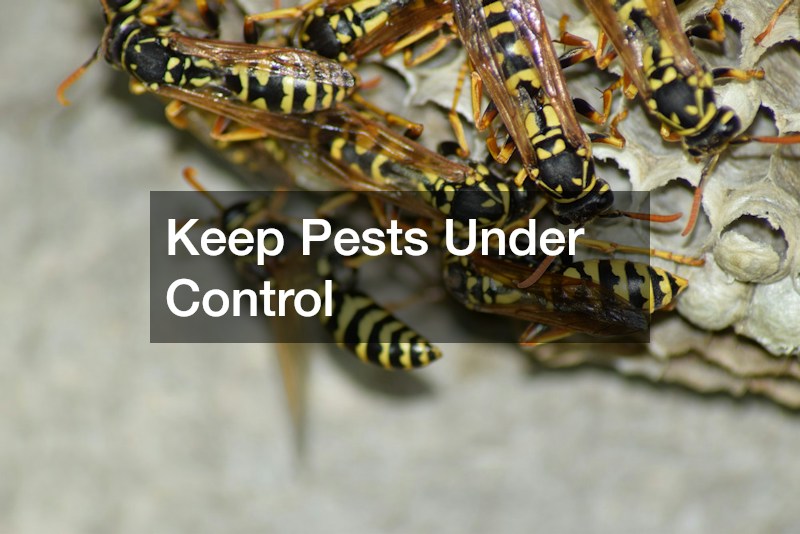
A healthy living environment should also discourage unwanted pests. Insects and rodents can be more than an inconvenience because they may contaminate food, damage property, or contribute to an uncomfortable indoor environment.
Start with basic prevention. Store food in sealed containers, clean crumbs promptly, empty trash regularly, and address leaks that could provide pests with a source of water. Check around doors and windows for gaps and repair damaged screens when necessary.
Pay attention to signs of an infestation rather than ignoring them. Droppings, damaged packaging, unusual odors, insect activity, or repeated sightings can indicate that a larger problem may exist.
If an infestation develops, a professional cockroach exterminator can assess the affected areas and determine an appropriate treatment strategy. Professional assistance can be especially useful when pests continue returning despite household cleaning and prevention efforts.
Keep Plumbing Systems in Good Condition
Water is essential to everyday life, which makes plumbing maintenance an important part of a healthy home. Small plumbing issues can become major problems when they are ignored.
Watch for dripping faucets, slow drains, low water pressure, unusual sounds, or damp cabinets. Check underneath sinks periodically and pay attention to areas around toilets, water heaters, and appliances that use water.
Knowing where your home’s main water shutoff valve is located can also make a difference during an emergency. If a pipe suddenly bursts or a major leak develops, shutting off the water quickly may help limit damage while professional assistance is arranged.
When a serious problem occurs outside normal service hours, an emergency plumber may be necessary to address urgent leaks, overflowing fixtures, or other issues that cannot safely wait.
Preventive plumbing care is generally easier to manage than dealing with extensive water damage after a neglected problem becomes worse. Routine inspections and prompt repairs can help protect both the home and the people living in it.
Protect Your Family From Weather-Related Problems
Your roof is one of your home’s primary defenses against rain, wind, snow, and other outdoor conditions. A damaged roof can allow water into the structure, potentially affecting ceilings, walls, insulation, and personal belongings.
Inspect your roof from the ground periodically for missing or damaged shingles, sagging areas, visible deterioration, or debris buildup. After severe weather, take additional time to look for signs of damage.
Not every roofing issue requires immediate emergency attention, but some situations do. Significant leaks, storm damage, or exposed sections of the roof may require emergency roof repair services to prevent additional water from entering the home.
Inside the house, look for water stains on ceilings and walls. These signs should not automatically be assumed to be cosmetic. They may indicate an active or previous moisture problem that needs to be investigated.
Keeping gutters and downspouts clear can also help direct rainwater away from the structure. Make sure water is not pooling near the foundation after heavy rainfall.
Create a Safer Garage
The garage can easily become one of the busiest and most overlooked areas of a home. It may store vehicles, tools, sports equipment, seasonal decorations, chemicals, and other household items.
Organize belongings so frequently used items are accessible without creating trip hazards. Store chemicals and potentially dangerous materials according to their labels and keep them away from children and pets.
The garage door itself also deserves regular attention. A malfunctioning door can present a safety issue and may prevent you from properly securing the garage. If the door is sticking, making unusual noises, failing to close, or showing signs of mechanical damage, professional garage door repairs can help address the problem.
Keep pathways clear around the garage door and avoid placing objects where they could interfere with sensors or moving components.
Maintain a Healthy Outdoor Environment
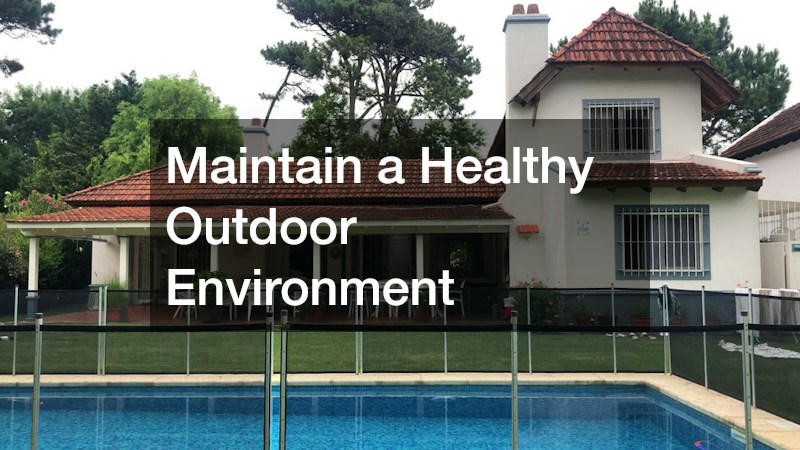
A healthier home extends beyond the walls. Your yard, landscaping, driveway, and outdoor living spaces can all influence how your family uses the property.
Regularly remove standing water, keep walkways clear, and trim vegetation that has become overgrown around the home. Outdoor lighting can improve visibility around entrances, pathways, and other frequently used areas.
Watering practices matter as well. An efficient irrigation system can help maintain landscaping while reducing unnecessary water use. If your yard requires a new or upgraded system, irrigation system installations can provide a structured way to distribute water throughout landscaped areas.
Avoid allowing irrigation to create consistently wet areas near the foundation, walkways, or exterior walls. Excess moisture in the wrong location can contribute to property problems.
A well-maintained yard can also encourage your family to spend more time outdoors. Creating comfortable spaces for eating, playing, exercising, or relaxing can make outdoor areas an extension of your living environment.
Prepare for Fire and Other Emergencies
No family wants to think about a house fire or major property emergency, but preparation can make it easier to respond if something happens.
Install smoke alarms throughout the home according to applicable safety recommendations and test them regularly. Carbon monoxide detectors are also important in homes where carbon monoxide exposure may be possible.
Every family should have a basic emergency plan. Make sure everyone knows how to exit the house, where to meet outside, and how to contact emergency services. Children can practice the plan so they are familiar with what to do rather than encountering the situation for the first time during an emergency.
Keep fire extinguishers in appropriate locations and make sure adults know how to use them. Never attempt to handle a fire that is too large or dangerous to control safely.
If a serious fire occurs, cleanup involves more than removing visible debris. A fire damage restoration contractor can assess affected areas and coordinate specialized restoration work after the immediate emergency has been addressed.
Make Moving Less Disruptive
Sometimes creating a healthier living environment means changing where you live. Moving can provide an opportunity to choose a home with features that better suit your family’s current needs.
Before relocating, think about factors such as neighborhood conditions, commute times, access to services, school considerations, outdoor space, and the home’s maintenance requirements.
Moving itself can be stressful, particularly when a family has accumulated years of belongings. Start sorting early and separate items into categories such as keep, donate, recycle, sell, and discard.
If the move involves traveling a significant distance, a long distance mover can help coordinate transportation and logistics. Research providers carefully, understand the services included, and keep important documents and essential belongings accessible during the transition.
A move can also be an opportunity to establish healthier organizational habits. Rather than automatically transferring every item from the old home to the new one, consider whether each possession contributes to the way your family wants to live.
Know How to Respond After an Accident
A healthy home is also one where families understand how to respond when accidents or injuries occur. Keep a basic first-aid kit accessible and make sure adults know where important medical information is stored. It can also be helpful to keep contact information for nearby doctor offices readily available so your family knows where to turn for routine medical concerns or guidance when needed.
If someone is injured because of a property condition or another accident, document what happened when it is safe and appropriate to do so. Photos, dates, contact information, and other records may be useful when explaining the circumstances later.
For situations involving questions about legal rights following an injury, a local personal injury lawyer can explain applicable legal considerations based on the circumstances and jurisdiction. Legal guidance is separate from medical care, so immediate injuries should receive appropriate medical attention first.
The goal is not to expect accidents but to make sure your family has a plan for responding when unexpected events occur.
Build Healthier Everyday Habits
Home improvements are valuable, but daily habits also play a major role in creating a comfortable environment. Encourage family members to wash their hands regularly, keep shared spaces reasonably tidy, and communicate when something in the home needs attention.
Sleep routines are another important part of a healthy household. Bedrooms should be comfortable, reasonably quiet, and free from unnecessary clutter that can interfere with relaxation.
Families can also create spaces that encourage movement. A cleared area for stretching, exercise, dancing, or indoor play can make physical activity easier to incorporate into the day.
Food habits matter, too. Keeping nutritious foods readily available can make balanced choices more convenient. Preparing meals together can also give families an opportunity to spend time together while developing practical cooking skills.
Healthy living does not need to mean perfection. Small, repeatable habits are often easier for an entire household to maintain than complicated routines.
Make Maintenance a Family Routine
Preventive maintenance becomes much easier when it is treated as part of regular household life. Create a simple schedule for tasks such as changing filters, testing alarms, checking for leaks, cleaning appliances, inspecting outdoor areas, and reviewing emergency supplies.
A shared calendar can help everyone understand what needs to be done and when. Keep records of major repairs and maintenance so you can refer back to them when planning future work.
Pay attention to small changes. A new water stain, unusual odor, strange sound, or pest sighting may be easier to address when noticed early.
Creating a healthier home is ultimately an ongoing process. It involves maintaining the structure, protecting indoor air quality, keeping pests and moisture under control, preparing for emergencies, and establishing everyday habits that support your family’s comfort.
The goal is not to create a perfect house. It is to create a home that is clean, functional, safe, and supportive of the people who live there. With consistent maintenance and thoughtful planning, families can make improvements gradually and build a living environment that serves them well for years to come.

