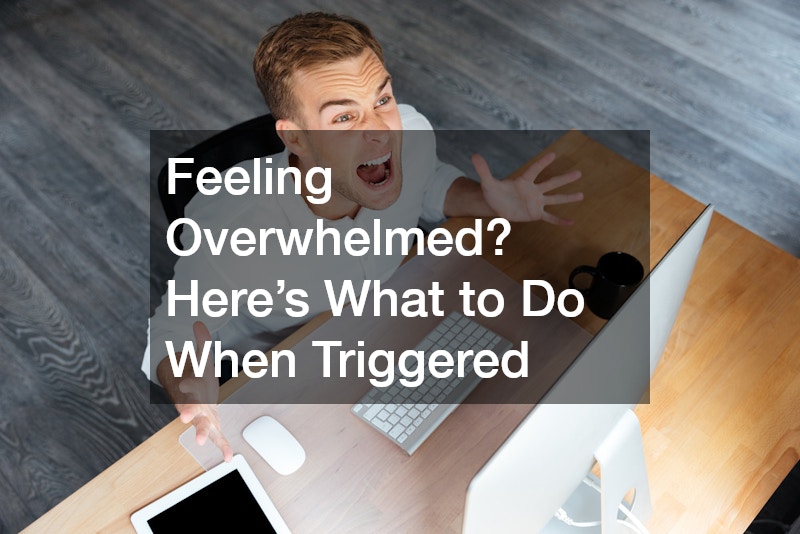

Feeling triggered can be overwhelming. A trigger is anything—an event, memory, smell, sound, or situation—that causes a sudden emotional reaction. Sometimes, triggers are tied to past trauma, stressful experiences, or deeply ingrained fears. They can make us feel anxious, angry, sad, or even physically unwell. Learning how to respond to triggers is essential for maintaining emotional health, building resilience, and improving daily life.
This guide will walk you through understanding triggers, identifying them, and taking practical steps to manage your reactions.
Understanding Emotional Triggers
Before you can manage triggers, it’s important to understand what they are and why they happen.
- What Are Triggers?
Triggers are stimuli that provoke intense emotional reactions. They often stem from past experiences or unresolved trauma. For example:
- A smell that reminds you of a stressful situation.
- A tone of voice that feels threatening.
- A social situation that recalls a painful memory.
- Why Triggers Happen
When we experience trauma or stress, our brains store emotional responses alongside memories. Later, if something similar occurs, our brain may react as if we are in danger. This is an automatic response, often called the “fight, flight, or freeze” reaction.
Understanding that your response is normal and not a personal flaw is the first step toward managing it.
Recognizing Your Triggers

Being aware of your triggers is an essential step in managing emotional reactions. When you know what tends to set off strong feelings, you can respond intentionally rather than react impulsively, reducing the likelihood of overreaction or regret. Triggers often appear as sudden emotions, physical sensations, or intrusive thoughts, and learning to recognize them helps you regain control in challenging moments.
Steps to Identify Triggers
- Keep a journal: Writing down moments when you feel intense emotions can reveal patterns that might otherwise go unnoticed. Note the time of day, the location, the people involved, and any thoughts or memories that arose. Over time, these entries provide a clear picture of what consistently triggers your reactions.
- Notice patterns: Once you have recorded several experiences, review your notes for recurring situations, phrases, or circumstances that provoke strong emotions. Recognizing patterns allows you to anticipate triggers and prepare coping strategies in advance.
- Pay attention to your body: Emotional triggers often manifest physically. You might notice a racing heart, tightness in your chest, shallow breathing, or stomach discomfort. Becoming aware of these physical cues can help you catch a trigger early, giving you a chance to intervene before emotions escalate.
- Ask for feedback: Sometimes, triggers are difficult to identify on your own. Trusted friends, family members, or therapists can provide insights about situations or behaviors that consistently upset you. They may notice patterns or reactions that you might overlook, helping you better understand your emotional landscape.
Why Recognition Matters
Recognizing your triggers gives you the power to respond rather than react. It allows you to use coping skills intentionally, regain emotional balance, and prevent feelings from escalating into overwhelming anxiety, anger, or sadness. Over time, this awareness strengthens your emotional resilience, helping you navigate challenging situations with greater calm and confidence. By understanding your triggers, you take the first step toward mastering your emotions instead of letting them control you.
Immediate Steps When You’re Triggered
When you feel triggered, your first goal is to regain a sense of safety and control.
- Pause and Breathe
Take slow, deep breaths. Focus on inhaling for a count of four, holding for four, and exhaling for four. This helps calm your nervous system and gives your brain a moment to catch up with your emotions.
- Ground Yourself
Grounding techniques bring you back to the present moment. Try these strategies:
- 5-4-3-2-1 technique: Identify 5 things you see, 4 things you feel, 3 things you hear, 2 things you smell, and 1 thing you taste.
- Touch an object: Focus on the texture, weight, and temperature of something nearby.
- Plant your feet: Feel your connection to the floor, imagining roots grounding you.
- Name Your Emotion
Labeling your feelings can reduce their intensity. Say to yourself: “I feel anxious,” or “I feel hurt.” Naming your emotions separates you from them and gives you more control.
- Create a Safe Space
If possible, step away from the triggering situation. Find a quiet corner, go outside, or use a calming environment to regroup.
Long-Term Coping Strategies
Immediate responses are important, but long-term strategies help reduce the frequency and intensity of triggers.
- Practice Mindfulness
Mindfulness involves focusing on the present without judgment. Daily mindfulness exercises can strengthen your ability to observe emotions without reacting impulsively. Techniques include:
- Guided meditations
- Body scans
- Mindful walking
- Use Cognitive Behavioral Techniques
Cognitive-behavioral therapy (CBT) helps you challenge negative thought patterns. When triggered, you can:
- Identify irrational or exaggerated thoughts
- Replace them with realistic, balanced thoughts
- Practice reframing situations in a neutral or positive light
- Develop a Self-Care Routine
Regular self-care helps reduce overall stress, making triggers easier to handle. Consider:
- Regular physical activity
- Balanced nutrition
- Adequate sleep
- Relaxation practices like yoga or journaling
- Seek Professional Support
Therapists and counselors can help you process trauma and develop coping strategies tailored to your needs. Therapy options may include:
- Talk therapy
- Eye Movement Desensitization and Reprocessing (EMDR)
- Trauma-informed CBT
Healthy Ways to Express Emotions
When you’re triggered, finding safe ways to express your emotions is essential. Bottling up feelings can increase stress, intensify anxiety, and contribute to long-term mental health challenges. Expressing emotions safely allows you to release tension, gain clarity, and process your experiences in a healthy way. Everyone responds differently, so it’s important to explore strategies that resonate with you.
Expressing Emotions Safely
- Journaling: Writing about your thoughts and feelings can be a powerful emotional release. Journaling helps you process what you’re experiencing, identify patterns, and gain perspective. Try free-writing without judgment, noting your emotions, physical sensations, and any triggers you noticed. Over time, your journal becomes a valuable tool for understanding yourself and tracking emotional growth.
- Physical activity: Movement is one of the most effective ways to release stress and regulate emotions. Activities like walking, running, yoga, or even dancing can help reduce tension in your body, improve mood, and calm racing thoughts. Exercise stimulates endorphins, which naturally enhance emotional well-being.
- Creative outlets: Art, music, and crafts provide non-verbal ways to express emotions that are hard to put into words. Painting, drawing, playing an instrument, or crafting can serve as a safe channel for releasing pent-up feelings. Creative expression can also promote relaxation, focus, and a sense of accomplishment.
- Talking to a trusted friend: Sharing your feelings with someone supportive allows you to feel heard and understood. A trusted friend or family member can offer perspective, validation, and emotional support, which helps reduce feelings of isolation. Be honest about what you’re experiencing, and seek a listener who can respond without judgment.
- Additional options: Other healthy outlets can include deep breathing exercises, meditation, or spending time in nature. Even small daily habits, like taking mindful pauses or listening to calming music, can support emotional processing and reduce stress.
By incorporating these strategies into your routine, you create a safe space for your emotions, prevent them from building up, and strengthen your ability to cope with triggers in a healthy, sustainable way.
Avoiding Unhealthy Coping Mechanisms
It’s common to seek relief through unhealthy habits, but these can worsen emotional distress.
Examples of Unhealthy Responses:
- Substance use (alcohol, drugs)
- Overeating or undereating
- Social withdrawal or isolation
- Self-harm or risky behaviors
Instead, focus on healthy coping skills and seek professional support if these patterns emerge.
Building Resilience to Triggers
Resilience is your ability to recover from emotional challenges. Strengthening resilience makes triggers easier to manage.
Ways to Build Resilience:
- Practice self-compassion: Treat yourself with kindness when triggered. Avoid self-blame.
- Maintain social connections: Supportive relationships buffer stress and offer perspective.
- Set boundaries: Learn to say no to situations or people that heighten stress.
- Develop problem-solving skills: Feeling prepared for challenges reduces emotional vulnerability.
Creating a Personal Trigger Plan
Having a plan in place can make triggers feel less overwhelming.
Steps to Create Your Plan:
- List known triggers – Include past experiences, situations, and emotions that tend to set you off.
- Identify coping strategies – Choose grounding exercises, breathing techniques, or safe spaces to use in the moment.
- Outline support resources – Include friends, family, therapists, or crisis lines.
- Review and adjust regularly – Update your plan as you learn more about your reactions.
When to Seek Extra Help

Sometimes, triggers can feel unmanageable or lead to harmful behaviors. Seek professional help if you notice:
- Frequent intense emotional reactions
- Panic attacks or extreme anxiety
- Thoughts of self-harm or harming others
- Difficulty functioning in daily life
Mental health professionals can provide guidance, therapy, and, if necessary, medication to help manage triggers effectively.
Conclusion
Being triggered can feel overwhelming, but it doesn’t have to control your life. Understanding what triggers you and why they happen is the first step toward regaining control. By recognizing your emotional and physical responses, you can respond thoughtfully rather than react impulsively. Immediate strategies, like deep breathing, grounding techniques, and naming your emotions, help calm your nervous system and bring you back to the present moment. Over time, long-term coping strategies—such as practicing mindfulness, engaging in self-care, using cognitive-behavioral techniques, and seeking professional support—strengthen your resilience and reduce the intensity of triggers. Expressing your emotions safely, avoiding harmful coping mechanisms, and maintaining a personal trigger plan ensures you are prepared for challenging moments. Remember, managing triggers is a skill that grows with practice, self-compassion, and support. With patience and consistency, you can navigate triggers more effectively and protect your mental well-being.